A Practical Guide to Choosing Band and Orchestral Instruments
There is a moment in every musician's life when the instrument picks them, not the other way around. For some, it is the first time they hear a trumpet cut through the noise of a marching band. For others, it is the weight of a violin case in their hand, the smell of rosin, the quiet promise of a woodwind reed. I have been on both sides of that moment - as a student who saved for months to afford a used Selmer clarinet, and later as a professional who helped friends and strangers navigate the sprawling world of band and orchestral instruments. The truth is, choosing an instrument is not just about sound. It is about fit, budget, and the kind of music you actually want to make.
", "Know Your Room: The Acoustic Reality
", "Before you spend a dime, think about where you will play. A Yamaha grand piano is a dream, but if you live in a one-bedroom apartment with thin walls, it will be a nightmare for your neighbors. The same goes for percussion: a full Pearl drum kit sounds incredible in a rehearsal space, but in a living room, the low-end thump travels through floors. I have seen players buy a Ludwig Drums set only to sell it three months later because they could not practice after 8 p.m.
", "Band and orchestral instruments are not all the same when it comes to volume. A flute is manageable. A piccolo is not. A brass instrument like a trumpet can be softened with a practice mute, but a French horn projects in ways that are hard to contain. If you are in a shared space, consider instruments with adjustable sound output or invest in a good practice mute from a brand like Sennheiser or Korg, which also make tuners and metronomes that become essential once you start rehearsing with others.
", "Woodwinds: Reeds, Resistance, and Real Talk
", "Woodwinds are the most personal category of band and orchestral instruments because the mouthpiece and reed create your sound. I have spent hours with Vandoren and Rico Reeds, trying different strengths, and I can tell you that a half-step change in reed hardness can make a clarinet sing or choke. Beginners often start with a medium-soft reed, but as your embouchure strengthens, you will want to move up. Selmer and Yamaha both make student clarinets that hold value well, but the real upgrade comes from a quality mouthpiece.
", "If you are buying a saxophone, be honest about your commitment. A Yamaha student alto is affordable and reliable, but a professional horn from Selmer costs several thousand dollars and demands regular maintenance. I have watched friends buy expensive instruments and then let them sit because they did not want to pay for pad replacements. D'Addario makes excellent reeds and accessories, and their Woodwinds line is worth exploring for swabs and ligatures.

One piece of advice: never buy a woodwind instrument without playing it first, or at least having someone who knows the instrument test it. The feel of the keys, the spring tension, and the seal of the pads all affect how easily you can play. A poorly adjusted instrument can frustrate a beginner into quitting.
", "Brass: The Weight of the Horn
", "Brass instruments are physically demanding in a different way. A trumpet is light, but the embouchure fatigue is real. A trombone requires arm strength for long passages. A tuba is heavy and expensive, but it is also the foundation of any concert band. I have seen students choose a smaller instrument because it was cheaper, only to find that they wanted the deeper sound of a larger horn later. If you can, rent or borrow for a few months before buying.
", "Fender and Gibson are famous for guitars, but for brass and woodwinds, brands like Yamaha and Selmer dominate. For percussion, Pearl and Ludwig Drums are standards. The point is that the brand matters less than the specific model and its condition. A thirty-year-old Yamaha trumpet in good shape can outperform a new budget horn.
", "Mouthpieces are another world. A Bach 7C is a common starting trumpet mouthpiece, but switching to a deeper cup can change your tone dramatically. Similarly, a good trombone mouthpiece from a brand like Shure - though Shure is better known for microphones - can improve your comfort. Always try a few before settling.
", "Percussion: The Rhythm Section Foundation
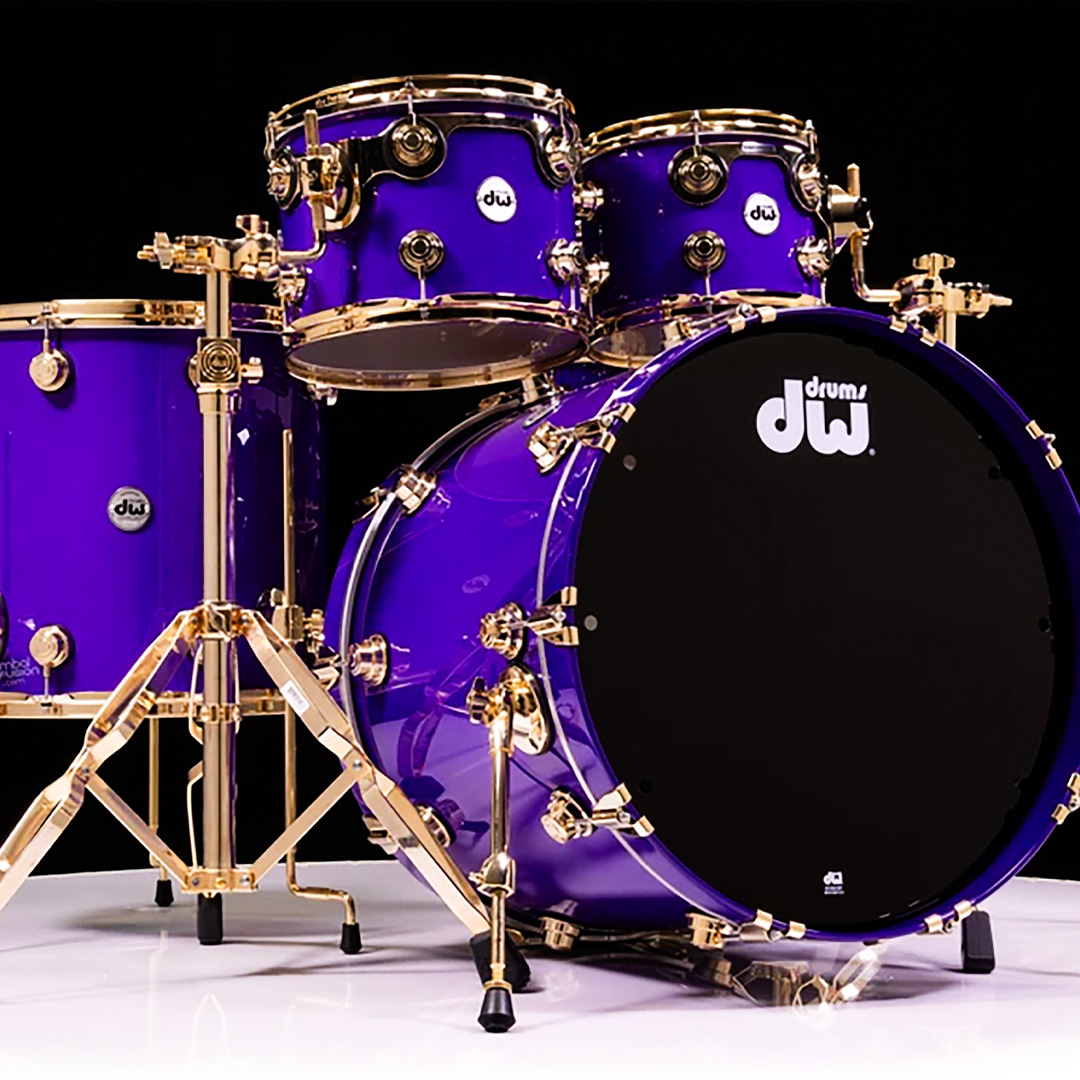
", "Percussion in a band or orchestral setting is not just about drums. It includes timpani, xylophones, cymbals, and a hundred small accessories. If you are buying a drum set, a Pearl or Ludwig Drums kit is a solid investment. But do not forget the cymbals. Zildjian makes cymbals that range from bright and cutting to dark and washy, and the wrong choice can clash with the rest of the ensemble. I have seen drummers buy a full set of cheap cymbals and then wonder why their band sounds harsh.
", "Evans Drumheads are my go-to for durability and tone. They make heads that last longer under heavy playing, which matters if you practice daily. For orchestral percussion, a good pair of mallets and a practice pad from a brand like Korg or Roland can save your wrists and your budget.
", "Band and orchestral instruments cover a huge range of sounds, and percussion is where the variety is widest. Do not be afraid to start with just a snare drum and a practice pad. Many professional percussionists began that way.
", "Strings: The Long Game
", "String instruments like violins, violas, cellos, and double basses are expensive to buy and maintain. A student violin from a brand like Yamaha or a reputable luthier is a better choice than a cheap factory instrument. I have played on a $200 violin that sounded like a cardboard box and a $5,000 instrument that sang. The difference is in the wood, the setup, and the bow.
For bows, a carbon fiber bow from a brand like Music Man or a trusted maker is durable and consistent. Wood bows are traditional but fragile. Strings themselves matter enormously. D'Addario makes strings for every level, from student to professional. Their Helicore strings are a solid choice for orchestral players.
", "If you are buying a double bass, think about transportation. A full-size bass is hard to move. A hybrid bass that combines a smaller body with a longer scale can be easier to handle. I have seen players switch to an electric upright bass from a brand like Korg or Roland for rehearsals and keep an acoustic bass for performances.
", "Keyboards and Electronic Instruments
", "Not all band and orchestral instruments are acoustic. Keyboards, synthesizers, and digital pianos from Roland and Korg are common in modern ensembles. A Roland digital piano can give you a realistic grand piano feel without the tuning costs. For orchestral work, a synthesizer with good orchestral samples can fill in parts when a full string section is not available.
", "But remember: a digital instrument is still an instrument. It needs a good amplifier or headphones. Audix and Sennheiser make headphones that reveal the true sound of your instrument, which is important for practicing dynamics. I have seen too many players use cheap headphones and develop a skewed sense of their own volume.
", "Accessories That Matter
", "Accessories are not just add-ons. They are part of the instrument. A good case protects your investment. A metronome from Korg or Boss keeps your timing honest. A quality microphone from Shure or Audix can help you record practice sessions. Reeds, rosin, valve oil, and drumsticks are consumables that affect your sound every time you play.
", "For woodwind players, a reed case that controls humidity is essential. Vandoren and Rico Reeds both offer cases that extend reed life. For brass players, a cleaning kit and valve oil from a brand like Yamaha or Selmer keep the instrument responsive. For percussionists, a stick bag from Evans Drumheads or a cymbal bag from Zildjian can save you from cracked edges.
", "Buying Used: The Smartest Move
", "Most professionals I know bought their first serious instrument used. Band and orchestral instruments hold up well if they are maintained. A used Yamaha or Pearl instrument that has been serviced is often a better value than a new budget model. But do not buy sight unseen. Check for rust, dents, pad wear, and cracked wood. Bring a teacher or a repair tech if you can.
The market for used instruments is huge, and platforms that connect buyers and sellers - like the one this article supports - can help you find a deal. But no matter where you buy, test the instrument in the room where you will play it. Acoustic differences between a shop and a home can mask flaws.
", "Final Thoughts
", "Choosing the right instrument is a journey, not a single decision. You might start with a student model and upgrade later. You might switch from brass to woodwinds. The important thing is to start playing and to keep playing. Band and orchestral instruments are tools for making music with others, and that is where the real joy lives.
", "I remember the first time I played in a full wind ensemble. The sound of thirty people breathing together, the conductor's downbeat, the way each section fit into the whole - it was magic. That magic starts with an instrument that feels right in your hands. Take your time, ask questions, and trust your ears. And when you find the one, treat it well. It will reward you for years.